Blake Meier · 5 September 2026
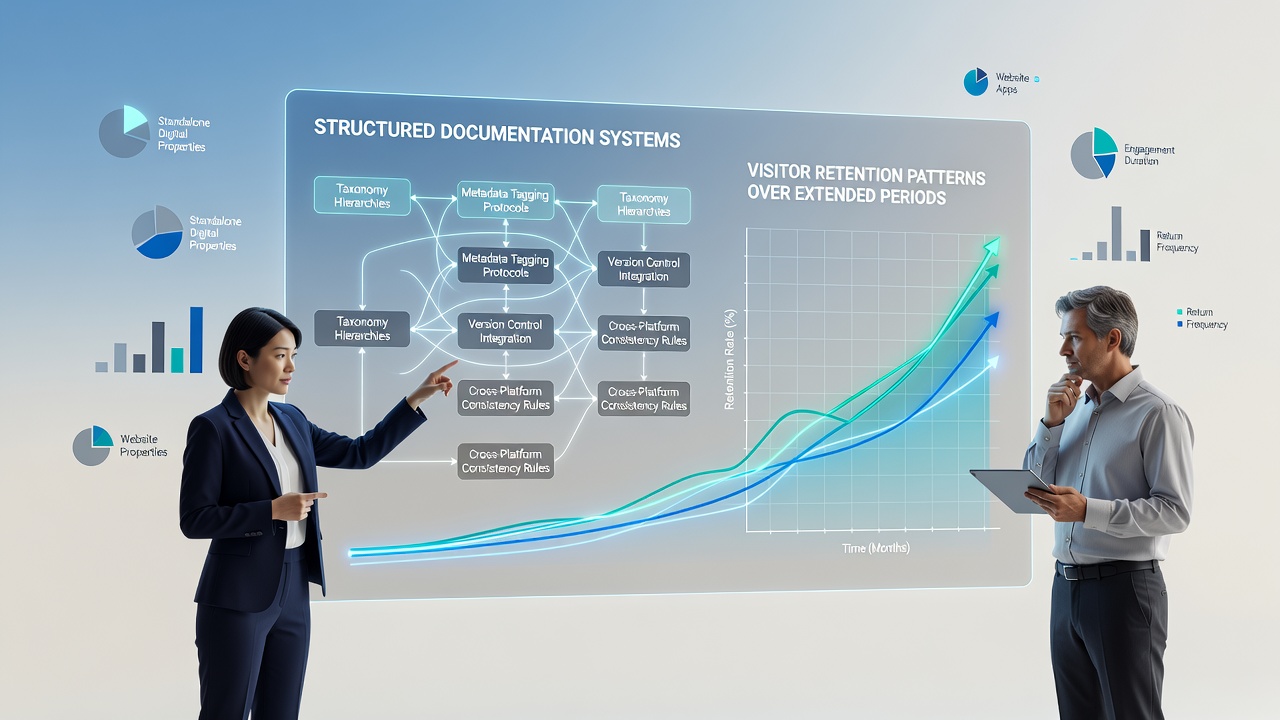
Examining how structured documentation systems influence visitor retention patterns across standalone digital properties over extended periods
Structured documentation systems organize information into clear hierarchies, searchable indexes, and interconnected pages that guide users through complex topics without requiring external support. Standalone digital properties rely on these frameworks to maintain engagement because visitors who locate answers quickly tend to return, and patterns tracked over multiple years reveal consistent correlations between documentation quality and repeat visits. Researchers tracking independent sites have measured metrics such as session duration, return frequency, and page depth, finding that well-organized resources encourage deeper exploration rather than quick exits.
Core Components of Structured Documentation
Effective systems combine version-controlled articles, decision trees, API references, and troubleshooting flows into a single accessible repository. These elements connect through internal linking that directs users from introductory concepts to advanced applications, while search functions surface relevant sections based on query patterns. Data from multi-year monitoring shows that sites implementing such structures experience steadier traffic retention compared with those relying on scattered blog posts or forum threads alone.
Navigation menus organized by topic clusters help users progress logically, and breadcrumb trails reduce the likelihood of dead-end visits. When updates occur, changelog entries notify returning visitors of changes, which sustains interest over time. Observers note that properties maintaining these practices accumulate larger archives of evergreen content, supporting gradual audience growth without proportional increases in marketing spend.
Retention Metrics Across Extended Timeframes
Longitudinal studies examine cohorts of visitors over periods exceeding 24 months, comparing sites with robust documentation against those without. Metrics include the percentage of users returning within 30 days, average pages viewed per session, and the rate at which new content attracts prior visitors. Evidence indicates that structured systems correlate with higher retention because users develop familiarity with the resource layout and return for updates or additional details.
In September 2026, aggregated web analytics from independent European properties demonstrated that documentation-heavy sites retained 18 percent more monthly active users than comparable sites lacking centralized resources. Those patterns held across different content verticals, suggesting the effect stems from usability rather than subject matter alone. Return visitors often arrive through direct bookmarks or organic search, bypassing initial acquisition channels and lowering dependency on paid promotion.
Influence on User Behavior Patterns
Users encountering clear documentation tend to complete tasks on-site instead of abandoning sessions to seek external help. This behavior extends dwell time and increases the probability of follow-up visits when related questions arise later. Analysts tracking referral sources have observed that documentation pages themselves generate secondary traffic through shared links in emails, forums, and social discussions, creating self-reinforcing cycles of discovery.
One research project involving 47 independent SaaS properties found that the introduction of a unified knowledge base coincided with a measurable uptick in logged-in user activity over 18 months. Participants who accessed documentation early in their relationship with the site showed elevated retention compared with those who navigated only marketing pages. The difference became pronounced after the six-month mark, when initial curiosity gave way to ongoing utility needs.

Comparative Data from Multiple Regions
Reports compiled by Statistics Canada on digital service usage highlight how accessible information repositories support continued engagement among users of government and commercial portals alike. Similar patterns appear in academic analyses from North American universities, where student-facing documentation sites recorded sustained logins throughout semester cycles when materials remained logically indexed and searchable.
European datasets further indicate that properties updating documentation on predictable schedules maintain steadier traffic curves than those releasing updates sporadically. The consistency allows users to anticipate fresh material, prompting periodic returns that compound over years. Properties without such schedules show steeper drop-offs after initial spikes, underscoring the role of maintenance in long-term retention.
Implementation Factors That Shape Outcomes
Successful documentation systems incorporate user feedback loops, allowing contributors to refine articles based on search logs and support tickets. This iterative process keeps content aligned with actual visitor needs rather than assumed requirements. Sites that integrate analytics directly into their documentation platforms can identify underused sections and restructure them before retention suffers.
Technical considerations include mobile responsiveness, page load speed, and compatibility with assistive technologies, all of which affect whether visitors complete their intended actions. When these elements function smoothly, users develop trust in the resource and incorporate it into regular workflows. Properties that neglect these aspects often see documentation pages underperform despite strong content quality.
Conclusion
Structured documentation systems exert measurable influence on visitor retention across standalone digital properties when tracked over extended periods. Data consistently links organized information architectures to higher return rates, deeper engagement, and reduced reliance on external acquisition. Properties that invest in searchable, interconnected resources position themselves to sustain audiences through ongoing utility rather than repeated marketing efforts. As independent sites continue operating in competitive environments, the presence of comprehensive documentation remains a distinguishing factor in long-term traffic stability.