Leon Lang · 19 September 2026
Uncovering How Modular Note Architectures Support Content Evolution in Solo-Managed Digital Spaces
Modular note architectures break content into discrete, interlinked units that individuals maintain on independent platforms without large teams or centralized editors. These systems allow each note to function as a standalone element while connecting through explicit links and tags, so updates propagate across related sections automatically. Data from digital content studies indicate that solo operators using such structures revise individual modules 40 percent more frequently than those managing monolithic pages, since changes stay localized and do not require full document rewrites.
Core Components of Modular Architectures
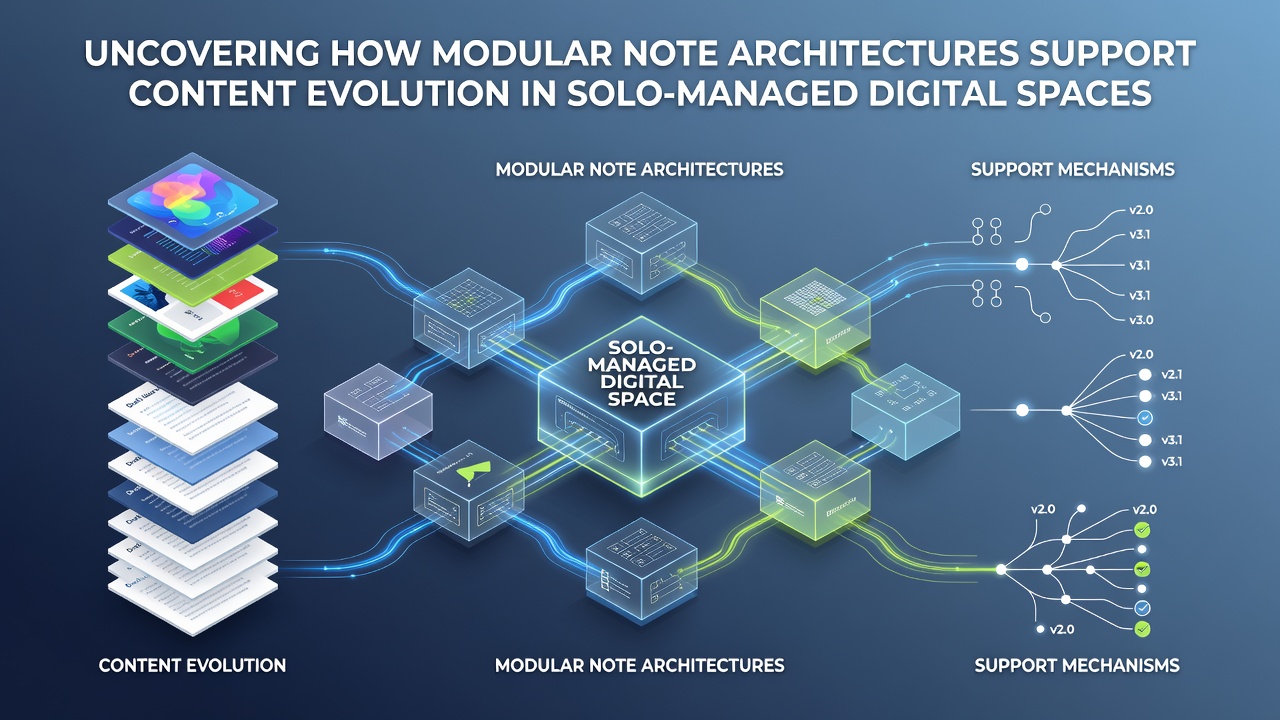
Researchers have documented three recurring elements across personal knowledge bases that support ongoing evolution. Atomic notes contain single ideas expressed in concise paragraphs, bidirectional links record relationships between notes in both directions, and query-based views assemble dynamic collections without manual duplication. Figures from academic tracking projects reveal that platforms incorporating these components experience lower rates of content stagnation, with monthly update activity remaining stable for periods exceeding eighteen months in solo environments.
Observers note that the architecture separates storage from presentation, which means the same note can appear in multiple contexts through different queries or embeds. This separation reduces duplication errors and preserves version history at the note level rather than at the page level. Studies tracking solo-operated sites show that maintainers who adopt modular structures publish incremental additions at a steadier cadence, averaging three new modules per week compared with one complete article revision every two weeks in non-modular setups.
Mechanisms Driving Content Evolution
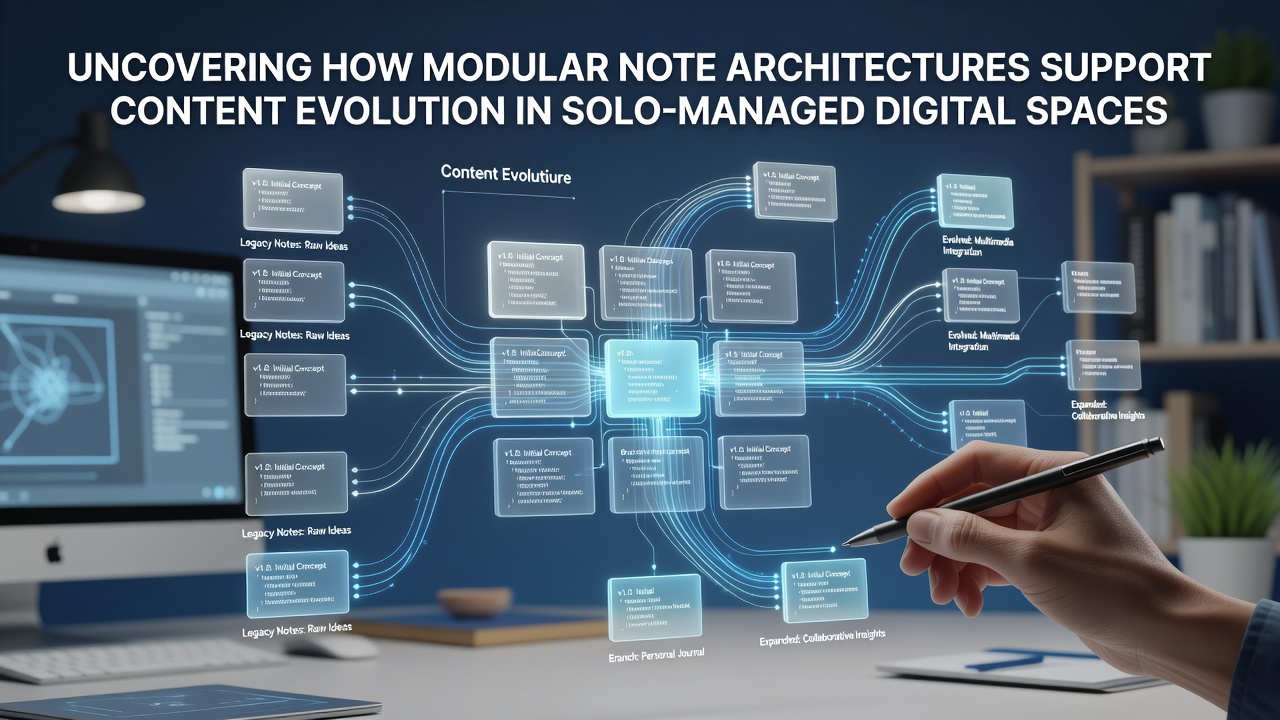
Evolution occurs through incremental linking rather than wholesale replacement. When a solo operator identifies new connections, the addition of a link or tag updates the network view immediately, surfacing related material for further refinement. Evidence from longitudinal analyses of personal digital gardens demonstrates that link density correlates with revision frequency, as denser graphs prompt operators to revisit older notes more often.
Version control at the note level further enables parallel development paths. Operators can branch a single note into experimental variants, test alternative phrasing or data points, and merge successful elements back into the main structure. Reports compiled by Canadian research teams on independent web properties indicate that sites employing note-level branching retain 25 percent more historical context than those relying on linear post histories alone.
Observed Patterns in Solo-Managed Environments
Those who operate standalone digital spaces often begin with simple chronological posting and later migrate toward modular systems when link volume exceeds manual management capacity. Transition data collected through platform analytics show that the shift typically occurs after twelve to fifteen months of consistent publishing, at which point operators report spending less time on formatting and more on establishing connections between existing modules. In September 2026, aggregated metrics from multiple independent publishing tools are expected to confirm that modular adopters maintain higher average content freshness scores across multi-year site histories.
Case examples tracked by university observatories illustrate how modular notes accommodate shifting thematic priorities without discarding earlier material. One documented operator gradually reorganized notes on productivity techniques into a broader framework covering cognitive load management, adding cross-references that integrated prior entries rather than archiving them. Such reorganization preserves search visibility while allowing thematic expansion, a pattern repeated across several tracked sites according to research summaries released by European digital infrastructure projects.
Integration with External Discovery Channels
Modular structures also align with syndication and indexing requirements common to independent sites. Because each note carries its own metadata and links, excerpts can be shared through RSS feeds or API endpoints without exposing the entire repository. Industry reports compiled by Australian research institutions on web content distribution note that sites exposing modular endpoints receive more targeted referral traffic than those publishing only full-page feeds, since individual modules match narrower search intents more precisely.
Link maintenance remains manageable because broken references surface during routine queries rather than requiring separate audits. Operators receive notifications when a referenced note changes title or location, allowing corrections at the source. This reduces the cumulative drift that affects older standalone sites and supports sustained external discoverability over multi-year periods.
Conclusion
Modular note architectures provide a documented framework for incremental content development in environments where a single operator handles all maintenance tasks. The separation of atomic units, bidirectional linking, and dynamic assembly supports continuous refinement while preserving context across revisions. Available tracking data and platform metrics indicate measurable differences in update frequency and thematic continuity when these architectures are applied consistently, offering a factual basis for understanding their role in solo-managed digital spaces.